

Products & Growing
Years of Experience
Happy Customers
Exclusive Products
Featured Products
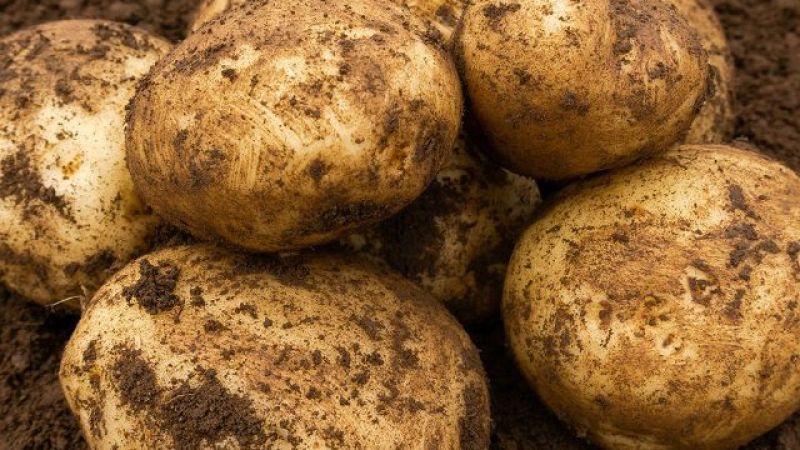
Acoustic
Wonderful new all-rounder with exceptional blight resistance.

Anya
Easy to grow, daughter of Pink Fir Apple. Pink skin, fabulous flavour.
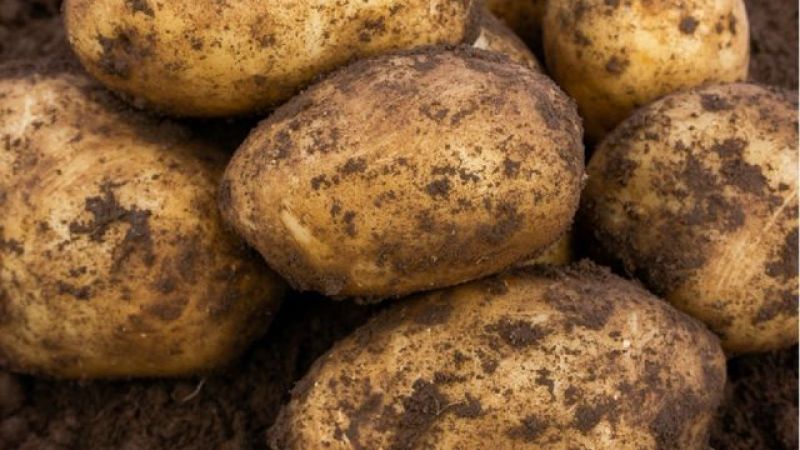
Caledonian Pearl
New and high yielding with lots of lovely, smooth potatoes and a bright appearance. Delicious flavour.

Elland
New variety for 2023/2024 with excellent potato cyst nematode resistance.
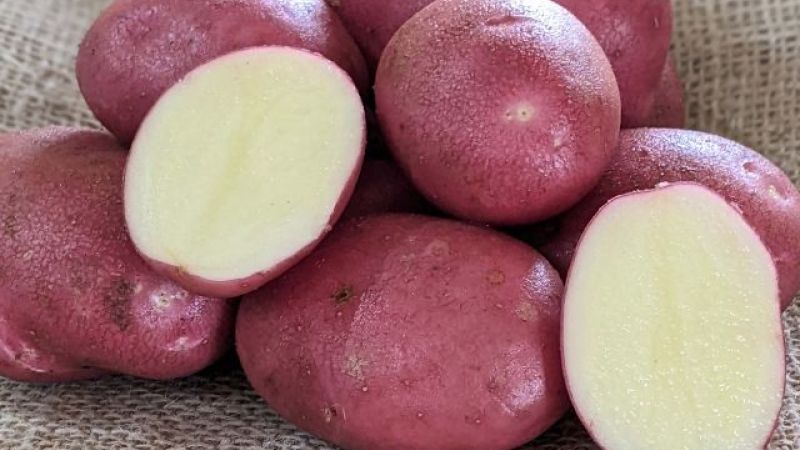
Java
The new improved version of Sarpo Mira
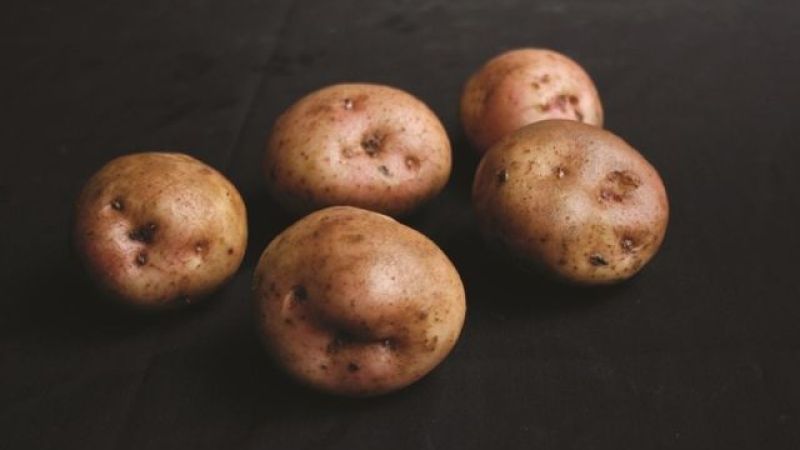
Kerrs Pink
A traditional favourite with great flavour and a drier texture.
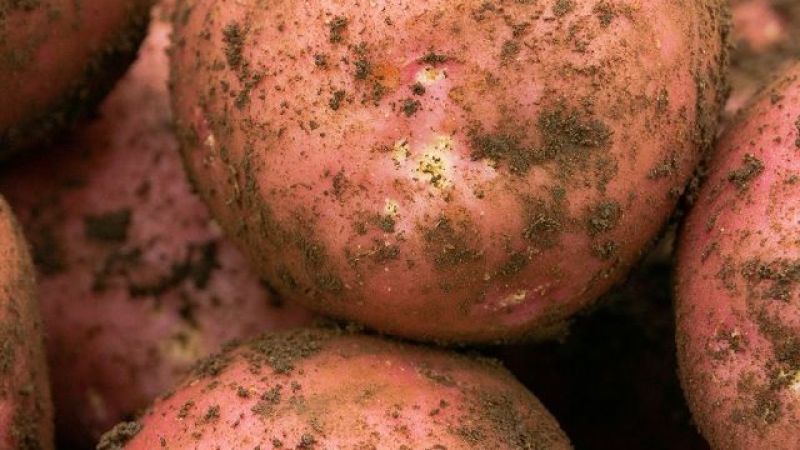
Organic Setanta
Bred from Rooster, high resistance to Blight.
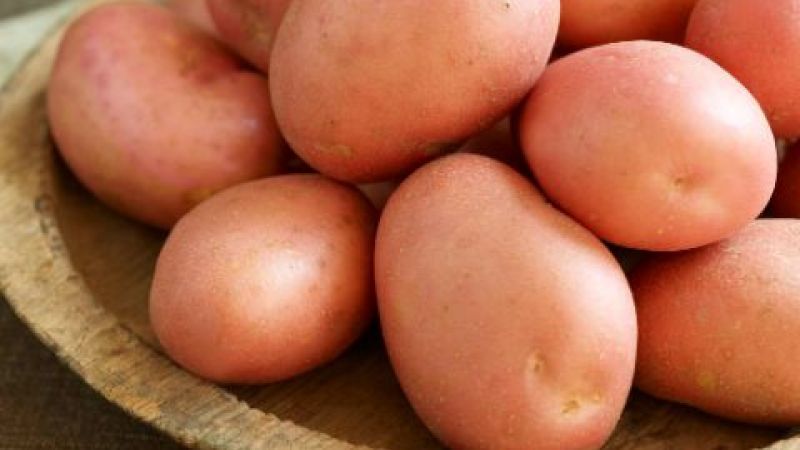
Rooster
Great all rounder, with wonderful flavour. Known as the uber tuber.
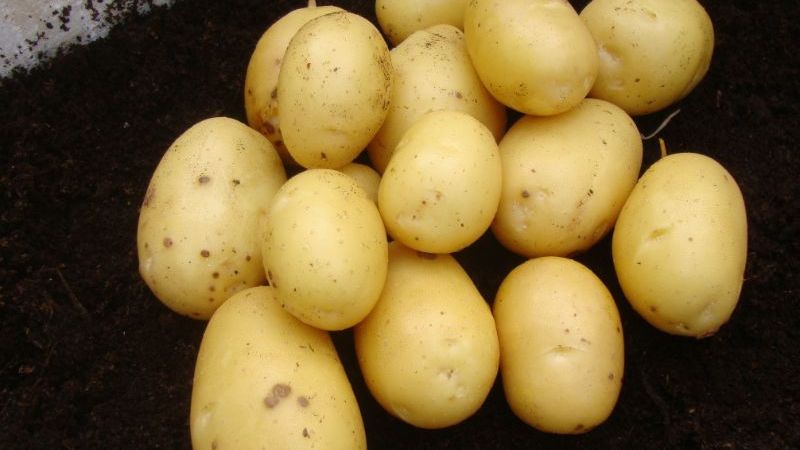
Vivaldi
Award winning variety with exceptional, buttery taste .
Services
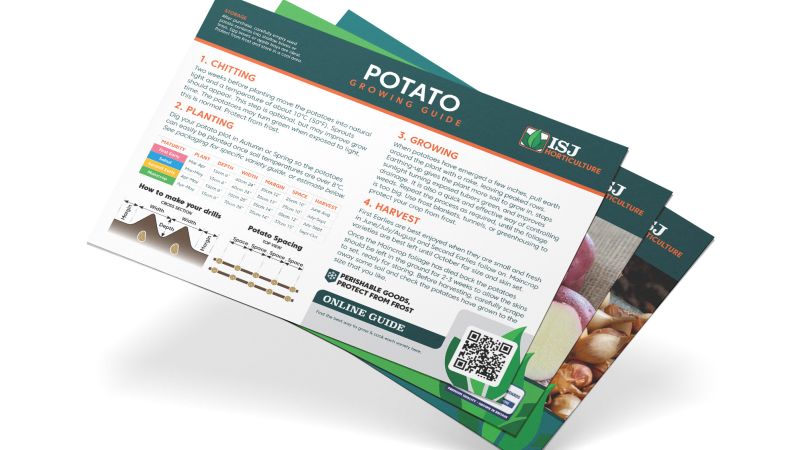
Point of Sale Signage
We provide rich point of sale information for each product, informing your customers how to grow and what to buy. POS cards available to order, or download.
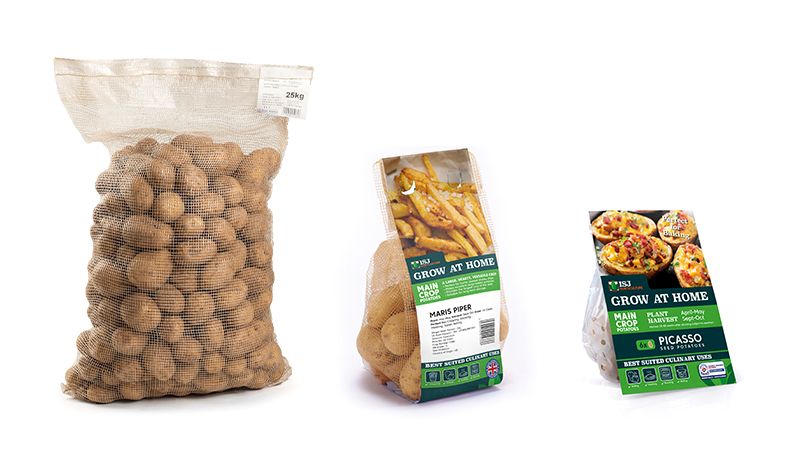
Packaging
Our packaging meets all certifying bodies requirements and incorporates clear growing instructions.

Product & Services
Please find below a general summary of our products and services. For further details, please either contact us or continue viewing our website.
Garden Centres
Technical Support - Did you know that we offer technical support on our product during office hours? If you have a query regarding any of our varieties, please contact us on 01738 582020.
Summer Planting
What is special about summer planting seed potatoes? These government classified seed potatoes, which are grown on specialist farms, are harvested during autumn.
